
Harmony & Harassment
A New Critical Race Theory Story
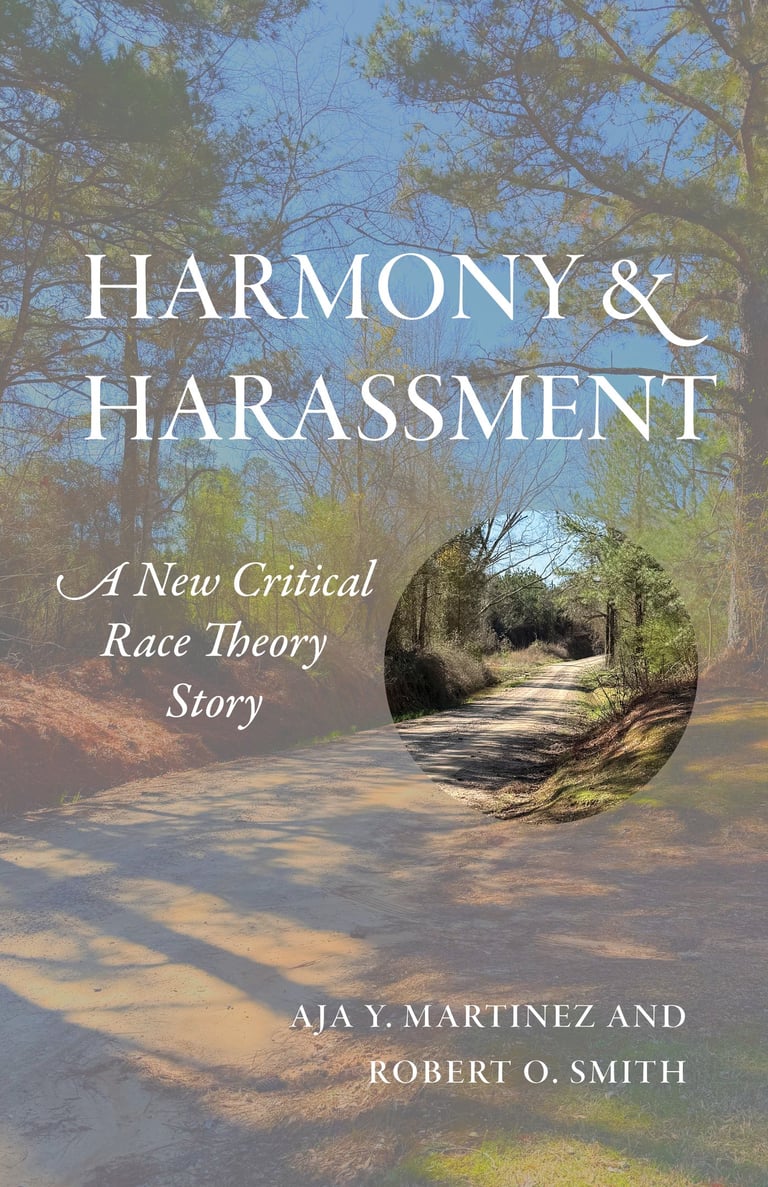
Harmony and Harassment, (University of California Press, 2026), is the second of three exciting new books by Aja Y. Martinez and Robert O. Smith.
This book traces the headwaters of critical race theory (CRT) to the rural community of Harmony, Mississippi, at the height of the 1960s US civil rights movement. As Martinez and Smith explore these headwaters, readers meet key community leaders like Behonor McDonald, Winson Hudson, and Dovie Hudson. These Black women's activism for civil rights, voting rights, and educational access transformed their community while also providing the foundations for Derrick Bell's legal theories, Alice Walker's womanist concept, and the enduring educational program now known as Head Start. Building on extensive archival research and a web of deeply human relationships, Martinez and Smith argue for renewed appreciation of the centrality of counterstories to CRT itself. Harmony and Harassment shows how CRT developed from the ground up; from this foundation, its insights continue to hold great potential for strengthening education, legal studies, and the humanities and social sciences.
—Jacqueline Jones Royster, Professor Emerita, The Ohio State University and Georgia Institute of Technology
“Martinez and Smith use their expertise as archival researchers to document and illustrate what it means metaphorically to 'search for the headwaters' in understanding the evolution of Critical Race Theory (CRT) within the context of pursuits of civil and human rights. Using CRT methodologies as touchstones, with particular regard for storytelling as a core operational element, they take readers on a journey of discovery. They identify Harmony, Mississippi, as a prime but largely un-recognized example of a highly consequential action arena, bringing visibility to various patterns of action and influence that have shaped and guided pursuits of freedom and social justice. Most especially, they also bring well-deserved attention to various people (and their networks) who have functioned as visionaries, advocates, activists, and leaders of such pursuits, with African American women identified at the forefront of this work. In other words, Martinez and Smith have presented a broadly rendered multi-dimensional view of actual on-the-ground ways and means of civic engagement, community action, and socio-political leadership as complex enterprises. In doing so, they present a volume that is insightful, instructive, and accessible for both academic and general audiences as we remember the past and work going forward to sustain our bedrock national values as a democratic nation.”
“Harmony and Harassment is a well-written, original, lively, and accessible book that is a pleasure to read. Martinez and Smith deftly and persuasively reveal how Derrick Bell's work emerged from the wisdom and labor of many unsung Black women whose love, intelligence, and care for the community kept the movement going. It intriguingly places Bell in conversation with Paulo Freire, and sheds light on the development of some of Bell’s most controversial positions, such as his 'racial realism' and his skepticism of school desegregation and the generally assimilationist goals of the NAACP. Harmony and Harassment provides an introduction to CRT through a compelling story of one of its leading figures. At a historical moment when critical race theory has been deliberately misunderstood and even treated as a slur, it is all the more important to return to why this body of work remains inspiring and will endure”
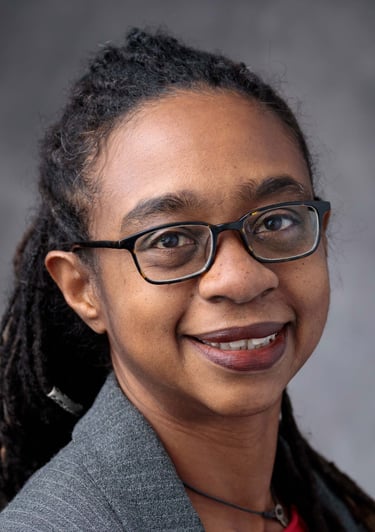
—Angela P. Harris, Distinguished Professor of Law Emerita, UC Davis

Praise for Harmony & Harassment
"Aja Martinez and Robert Smith invoke the term prosopography to describe their process in composing Harmony and Harassment. It’s an approach that allows for a fuller story, the stories behind the stories, rendering a story whole. And that’s what the book provides: the results of archival and ethnographic research that tell the full story of an astonishing misrepresentation of Critical Race Theory, told beautifully. Harmony and Harassment provides a wonderful telling of an archival and ethnographic project that will engage anyone interested in the relations between racism and story."
—Victor Villanueva, Regents Professor Emeritus, Washington State University

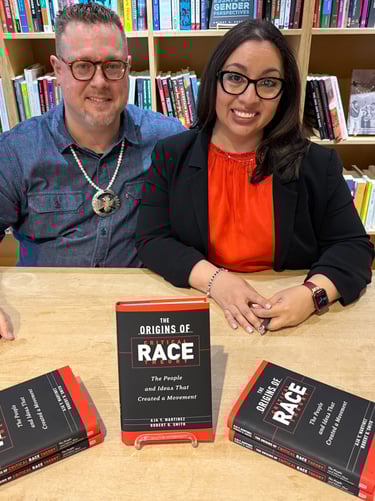
We did not set out to write books together! At first, we thought this would be a single-authored book for Aja’s academic field of rhetoric and writing studies, one focused on a much narrower question concerning Derrick Bell’s writing process. Because of the controversy around CRT, Aja had many opportunities to speak to groups of academics and other learners about how Bell transformed academic arguments and insights from his law review articles into bestselling collections of science fiction short stories. Robert, as a historian, discovered that Bell had an archive at New York University that might help answer those questions about Bell’s writing process.
That question—How did Bell revise academic work to become more accessible to the public?—is what first drove Aja into the NYU archive that Robert had located. Because we are a married couple, Robert went along to help document whatever might be found. Although Aja was lucky enough to secure some travel funds, visiting New York City is expensive, so our first visit was short. Too short, as we were to soon discover; we encountered an archive that is meticulous, massive, and close to comprehensive, covering Bell’s writings—especially his correspondence—from the mid-1950s through the end of his life in 2011. In the archive, we entered a world of names, dates, and stories. We expected to encounter one person; we instead entered an entire world of relationships. At times, it felt as if Derrick Bell himself, with a broad smile, invited us into his home office for story hour with a CRT founder.
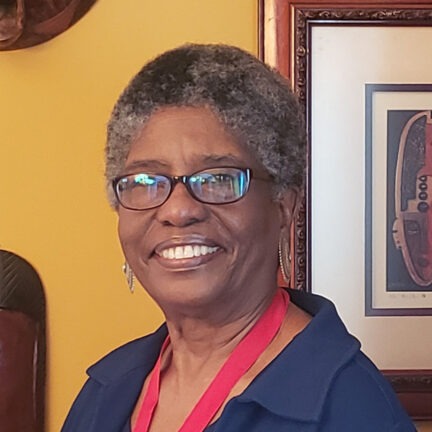
Martinez and Smith
A Writing Partnership
The Chapters
Chapter One
The chapters of this book weave stories of literacy, education, and hope as we trace significant encounters with individuals and communities, encounters that in turn produce significant insights in the lives of others. In chapter 1, we focus on the character of “Biona MacDonald,” from Derrick Bell’s story in his 1992 book, Faces at the Bottom of the Well: The Permanence of Racism. This brief story has been celebrated by historians and scholars of CRT. The problem is, Bell misspelled his protagonist’s name, unintentionally hiding her from view. This chapter recovers the true identity of Mrs. Behonor McDonald so she can be understood more fully within her community context and in the archival record.
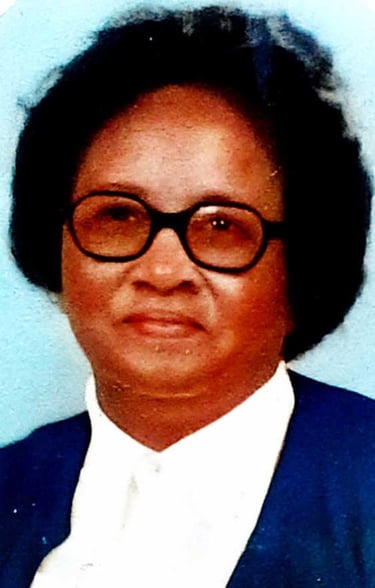
Mrs. Behonor McDonald
Chapter Two
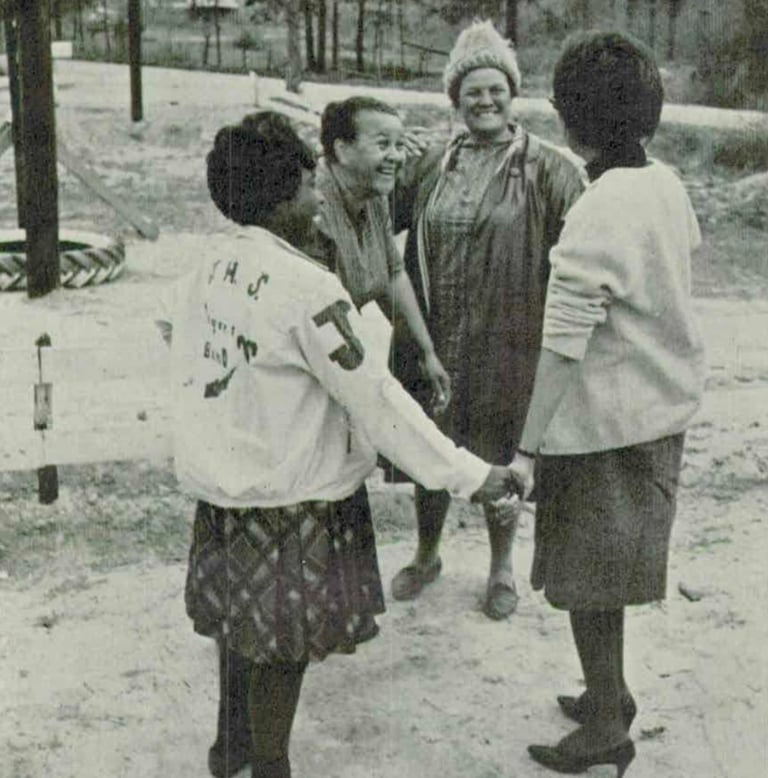
Chapter 2 details how Marian Wright (later Edelman) and Alice Walker encountered Mississippi in the 1960s. We follow Wright as she overcomes family tragedy and the temptations of popular praise to remain focused on the work she is doing in Mississippi. Walker, who arrived in Mississippi in 1966 under Wright’s leadership and guidance, quickly encountered two significant people who would shape her life for decades to come: Melvyn Leventhal and Winson Hudson. Here, we are introduced to the material context of Walker’s signature concept, womanist.
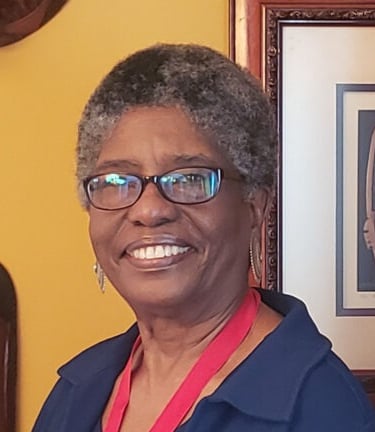
Minnie Lewis, Winson Hudson, Dovie Hudson, and Marian Wright in Harmony, Mississippi
Chapter Three
Chapter 3 takes us into the dynamic community of Harmony, Mississippi, a town made up primarily of Black landowners that, alongside other communities, provided protection and inspiration for the massive national effort that was Freedom Summer 1964. We are introduced to some of the women and men who were significant leaders in the community through oral history gathering and other conversations with their family members and descendants. It is here that Derrick Bell had his most significant experiences in the Deep South, the moment that set him on his trajectory toward racial realism and the interest-convergence dilemma, concepts that would eventually provide foundational insights for critical race theory.
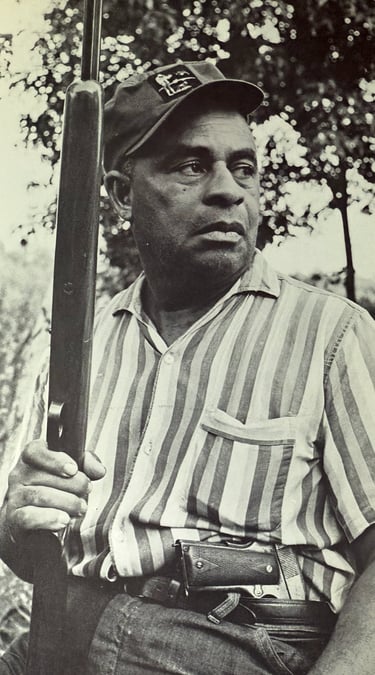
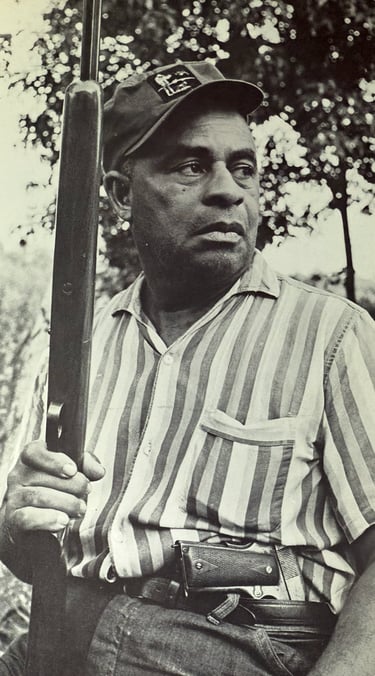
Joe Greer in Harmony, Mississippi
Chapter Four
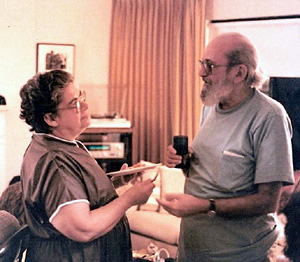
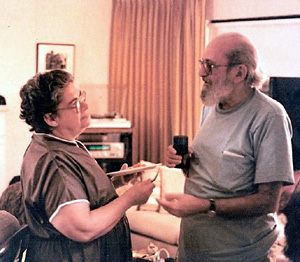
Black communities’ experiences in 1960s Mississippi often reminded them that they were “Third World” communities in the “First World.” Chapter 4 explores the political and Cold War context of the literacy work undertaken by Paulo and Elza Freire and how the resulting ideas resonated with Derrick and Jewel Bell. The twinned need of literacy and liberation resonates throughout the hemisphere, from the slums of Recife, Brazil, to the gilded halls of Harvard University. Both Freire and Bell eventually came to develop educational priorities not from abstract ideological ideals but through the material context of community needs. Both experienced exile and carried the dust of battlefields into their respective vocations.
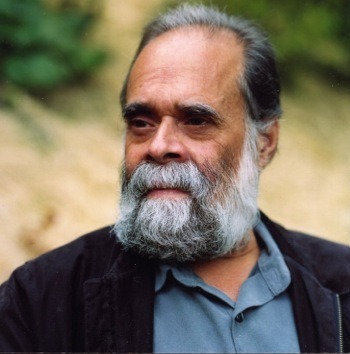
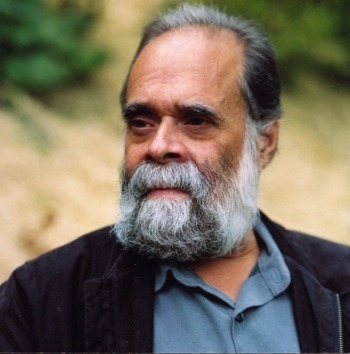
Elza and Paulo Freire
Chapter Five
Chapter 5 returns us to Bell’s unpublished short story, “Dependent Status,” from 1979, while calling attention to the present time. In our Spring 2023 term, knowing that Texas was on the cusp of passing anti-CRT and anti-DEI legislation that could possibly outlaw our work, we decided to teach a course on CRT featuring “treasures” from Derrick Bell’s archive. This task was enriched by our work with Grace, a student who is visually impaired. Since teaching “Dependent Status” means paying careful attention to Alice Walker’s handwritten commentary in the margins, we had to prepare the materials for Grace—this work enhanced our comprehension as well. Grace thus continues Bell’s Freirean emphasis on “students as teachers” and “teachers as learners,” a commitment he enacted with students like Patricia Williams and Erin Edmonds and in the editions of his casebook, Race, Racism and American Law.
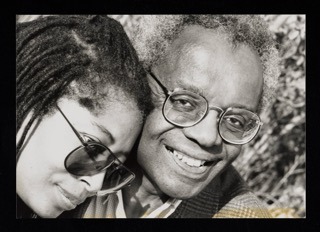
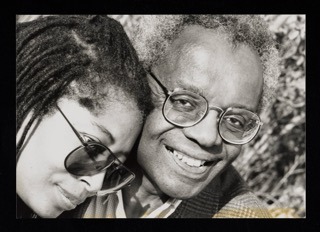
Alice Walker and Derrick Bell, photo by Jean Weisinger
Conclusion
The conclusion of the book takes us into a community of activists in Portland, Oregon, led, in part, by Ron Herndon, and returns us to the headwaters of these stories in Harmony, Mississippi. In these spaces, we learn of a new source for components of Bell’s celestial superhero lawyer, Geneva Crenshaw, and are exposed to how memory is kept alive by the various families of the Galilee/Harmony community. Through it all, Mrs. McDonald’s notion—“I lives to harass white folk”—flows down through the ages. It is a story of hope worth fighting for. We hope you’ll join us in the struggle.
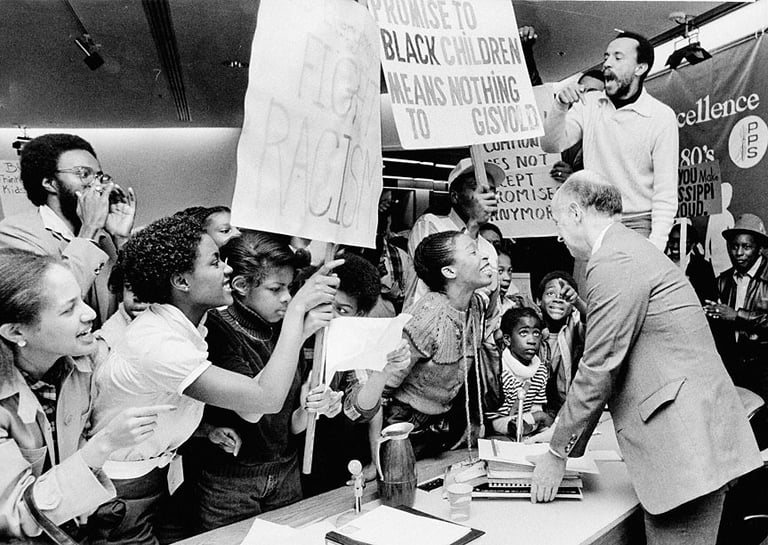
Ron Herndon standing on desk at protest
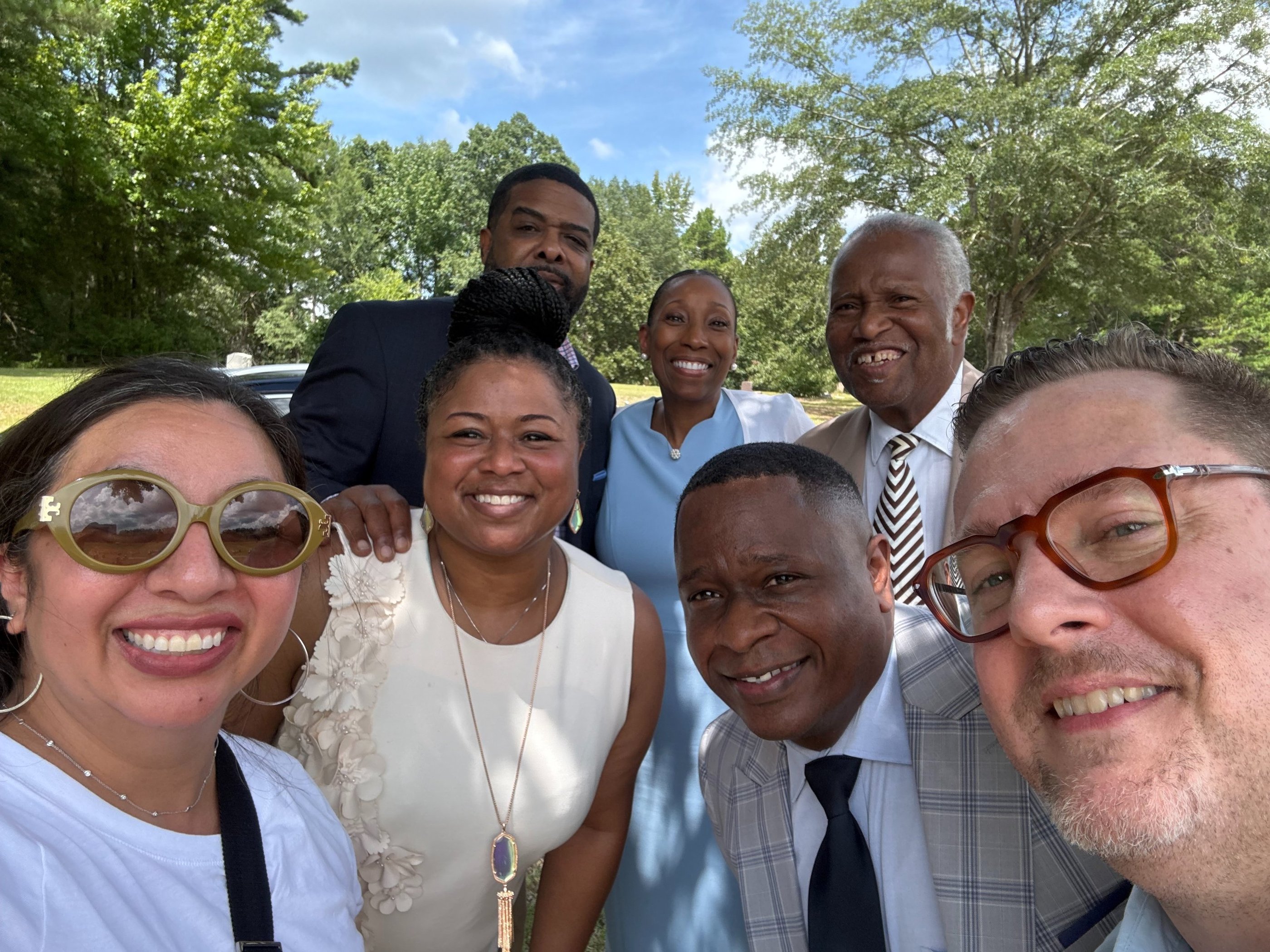
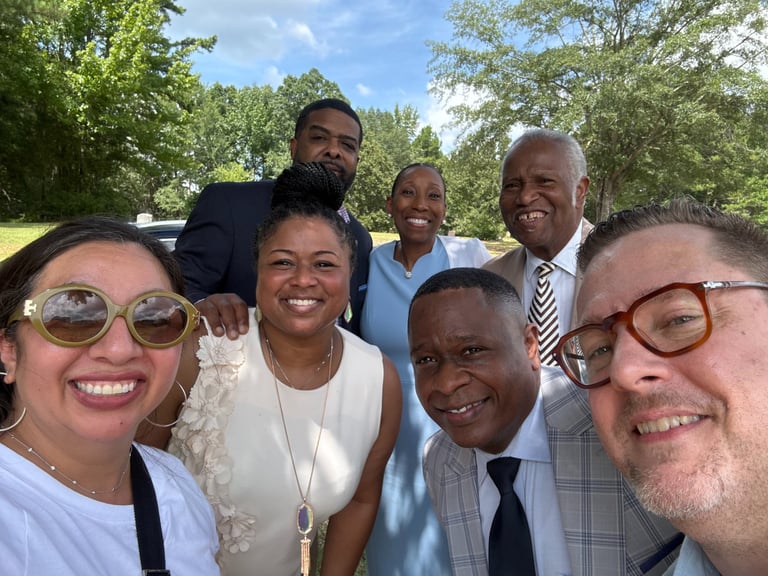
Aja and Robert with the family of Mrs. Behonor McDonald in Harmony, Mississippi
Insights
Exploring critical race theory and its impact.
Connect
© 2024. All rights reserved.